
Subscription casino game room AUD for cautious bankrolls
Játssz Thunderstruck 2 Position online nyerőgépes játékokat
1 de setembro de 2026Többszörös gyémánt nyerőgép Játssz ingyen IGT online nyerőgépekkel
1 de setembro de 2026The lights over the two-up ring at the Broken Hill showground flicker on a Friday night, and the crowd leans in while the ringie calls the toss. You are watching from the grandstand with a cold drink in your hand, mind already on the drive back and the session budget you set before leaving home. That same careful head is what you bring to a subscription casino game room AUD, because the money you put in should work for you, not the other way around.
Most players in regional New South Wales know the distance tax before they even think about gambling. A long stretch of highway to a physical venue, patchy mobile reception in the hills, and a few hours of travel all change how you plan a night out. When you move that same thinking online, the session still needs a start time, a stop time, and a hard loss limit that you actually respect.
How a session budget keeps your night honest
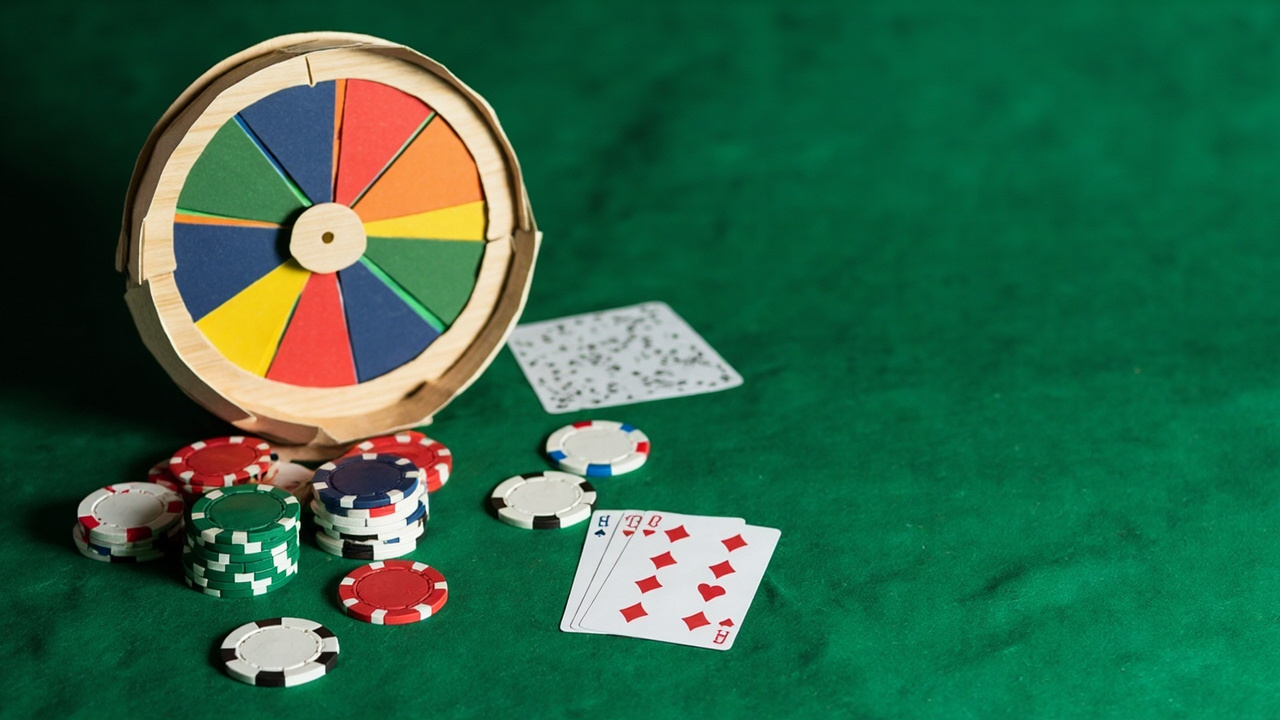
A session budget is just a number you agree with yourself before you log on, and it works best when you treat it like a train ticket you cannot top up mid-journey. Say you deposit fifty dollars and decide that the whole evening, including any wins, stays inside that envelope. You set a loss limit at the same figure, so the moment the balance dips below what you came with, the session is over whether the next spin looks kind or not.
The staking part matters just as much, because a flat bet per round keeps your head clear when the screen starts moving fast. You pick a stake that lets you sit for a realistic stretch of time without blowing through the budget in ten minutes, and you do not chase a bad run by doubling up. If you want a second opinion on how operators present their rooms, some players cross-check the coverage at pedestrian.tv before they commit any money.
A good session budget also has a time boundary, because a bankroll can disappear quietly if you leave the clock out of the equation. You decide in advance that the room closes after two hours, or after a certain number of rounds, whichever comes first. That rule saves you from the late-night drift where a tired head starts making poor calls.
What a subscription casino game room AUD actually does
The phrase subscription casino game room AUD gets used loosely, so it helps to separate the room from the spend. A room is the collection of games, the lobby, the account area, and the tools that sit around your play, while the subscription is the way you pay for access or credits over a set period. Some rooms bundle bonuses into a monthly fee, and others charge for features that a casual player never touches, which is why you read the terms before you sign anything.
You should be able to tell, within a minute, whether the room is built for short sessions or for players who want a permanent login. A cautious researcher looks for a clear breakdown of what the fee covers, what expires, and what happens to unused credit when the period ends. If the page feels vague, you move on, because a room that hides its costs is usually hiding the rest of the maths too.
The AUD side matters because your bankroll is in Australian dollars, and any conversion or hidden fee eats into the session before you even start. You check whether deposits, withdrawals, and displayed balances all sit in the same currency, and you flag anything that pushes you into another denomination. A room that keeps everything in AUD makes it easier to compare your spend against the budget you set at the start.
Staking plans that fit a cautious bankroll
A cautious bankroll does better with a simple staking plan than with a complicated system that promises the world. You decide on a fixed amount per round, or a small percentage of the session budget, and you stick to it even when the screen looks friendly. The point is to keep each decision separate from the last loss, so you are not betting with emotions you have not yet noticed.
Some players like a soft progression, where the stake rises only after a set number of wins and falls back after a loss limit hits. That approach can work as a hypothetical example, say you start at one dollar a round, move up after three wins, and reset after a loss. The rule only works if you write it down before you play, because a plan you invent mid-session is usually a plan you break mid-session.
The trade-off is that a tighter staking plan slows the action, and some rooms are built to make you feel impatient. You judge a room by whether it lets you set your own pace, or whether it keeps pushing you toward faster rounds and bigger stakes. A room that respects a slower player is usually a room that respects a cautious bankroll.
Loss limits and the moment you walk away
A loss limit is the line that turns a bad night into a finished night, and it only works if you treat it like a physical boundary rather than a suggestion. You set it before the first round, you write it somewhere visible, and you agree that crossing it means logging out, not chasing. The hard part is that a loss limit feels arbitrary when you are behind, which is exactly why it has to be arbitrary before you start.
The moment you walk away matters more than the moment you sit down, because a session that ends cleanly protects the next one. You decide in advance what happens after the limit hits, whether that is a walk outside, a meal, or just closing the laptop and leaving the room alone. A player who knows the stop rule in advance is a player who does not need to invent one when they are tired.
Regional players often treat that stop rule like a trip home, because the drive back from a venue on the far side of the state is the natural end of the night. You can use the same thinking online, where the room is always open but your budget is not. If you want a wider read on how operators talk about their rooms, some players glance at gamblinginsider.com alongside their own notes before they decide.
Regional NSW realities that shape online play
Distance changes how you think about a session, because a player in regional New South Wales often plans around travel, reception, and the time it takes to get to a physical venue. That same planning helps online, where a subscription casino game room AUD still needs a start and stop that fit the day you actually have. You do not treat the room like a place you can wander into for hours on a whim, because the budget and the clock both say otherwise.
Connectivity is its own issue, because mobile reception in the hills or on a long stretch of road can drop out at the worst moment. You check whether the room works on a patchy connection, and you decide whether to play on Wi-Fi at home rather than on a phone in the car. A session that depends on a strong signal is a session that should not start until you have one.
State-level differences also sit in the background, because the rules and the culture around gambling are not identical everywhere. You keep your expectations grounded in what applies to you, and you do not assume that a room built for another market will behave the same way here. A cautious researcher checks the local context before they trust the room to fit their habits.
The ringie mindset for reading a game room
A ringie or ringkeeper runs the two-up ring, and the job is less about luck than about keeping the game honest, readable, and under control. You can borrow that mindset when you judge a game room, because a good room should make the rules visible and the pace manageable instead of hiding them behind noise. You look for clear tables, readable terms, and a layout that lets you see what you are paying for before you commit.Gamblinginsider
The comparison works because a ringie does not run the game for the crowd, but for the game itself, and a good room should do the same for your bankroll. You judge a room by whether it helps you keep track of your spend, your stake, and your stop point, or whether it constantly tries to pull your eye elsewhere. A room that feels like a tidy ring is usually easier to play carefully than one that feels like a crowded tent.
You also watch for the small signs that a room is built for impulse rather than control, such as constant prompts to stake faster or add more credit. A cautious player reads those prompts as a signal to slow down, not as a nudge to keep going. The ringie mindset is mostly about noticing what the room wants you to do, and then deciding whether that fits your budget.kozmikinc.com Pedestrian
A simple step-by-step for a first session
A first session goes better when you follow a short checklist instead of improvising as you go. The aim is to get the room, the budget, and the stop rules lined up before the first round, so you are not making decisions with a live balance on the screen.
- Pick a room that shows its costs in AUD and lets you read the terms before you deposit anything.
- Set a session budget and a loss limit at the same figure, then write both down somewhere you can see them.
- Choose a flat stake per round that lets the budget last for a realistic stretch of time, and refuse to raise it after a bad run.
- Decide on a stop time or a round count, and treat that boundary as the moment the session ends whether you are ahead or not.
- Log out the moment the loss limit hits, and leave the room alone until the next planned session rather than reopening it on impulse.
What happens next after the session ends
A session that ends on a limit usually leaves you with a clearer head than one that ends on a feeling, and that clarity is what you carry into the next one. You check the balance, note what you spent, and decide whether the room earned a second visit or whether the budget did its job and closed the file. The point is not to judge yourself on a single night, but to see whether your rules held up when the screen was moving.
The next session starts with the same budget, not with whatever is left over from the last one, because a cautious bankroll works best when each session is a fresh decision. You treat any win as money that came in and went out again, not as a reason to raise the stakes for next time. That habit keeps the room from becoming a place where you chase memory instead of playing with a plan.
A good room makes that follow-through easier, because it lets you see your history, your limits, and your spend without digging through a maze of menus. You compare that clarity against your own notes, and you decide whether the room suits a cautious player or whether it is better left alone. If you want to see how one operator presents its room, you can look at kozmikinc.com and judge whether the setup matches the way you want to play.
A quieter drive home with the budget intact
The drive out of Broken Hill on a Saturday morning is a different thing from в нашей организации the Friday night crowd, because the ring has gone quiet and the showground lights are off. You are back on the highway with the session behind you, the budget accounted for, and the loss limit doing its job whether you won or not. That is the shape of a careful night, whether it happens in a regional town or inside a subscription casino game room AUD.
A cautious researcher knows the room is only one part of the evening, and the other parts are the budget, the stop rule, and the decision to leave when the limit hits. You keep those parts in place, you check the room against them, and you let the session end when you said it would. The next time you sit down, the same rules are waiting, and the room is just the place where you test them again.
