
MPs predict that within a span of five to ten years, the UK will see the legalization of cannabis.
Understanding the UK THC 1mg Law for Cannabis Consumers
12 de agosto de 2026**UK Cannabinoid & Cannabis Sativa Specialists** For children with treatment-resistant epilepsy, tertiary paediatric neurologists—following NICE’s guidance—should be the ones to start prescribing any medication.
12 de agosto de 2026Doctors who have begun prescribing medicinal cannabis have reported positive outcomes for their patients, strengthening the argument that cannabis can play an essential role in modern medicine. As more patients and families share their stories about the positive impacts of medicinal cannabis on health and quality of life, the pressure on the government to address recreational use intensifies. With such a significant percentage of the population advocating for change, it’s clear that public opinion is an essential element in shaping UK government policy on cannabis. Medicinal cannabis can now be prescribed by specialist doctors for patients experiencing severe conditions such as epilepsy — multiple sclerosis, and chronic pain. With debates intensifying around UK cannabis laws (medicinal uses), and public perceptions, it’s crucial to explore the current state of cannabis reform and the implications for the future. Only 20,000 patients have managed to fight their way through the system.
It is no wonder then that patients who would have benefitted from how to find weed in london medical cannabis use do not know they are qualified to receive it or have no access to cannabis medications. Lastly, the NHS and NICE , National Institute for Health and Care Excellence, provides very limited guidance to healthcare professionals and the public. “We’ve had great feedback to our new CBD range; growers want to buy more this year (from individual medical patients to commercial big growers in Switzerland and Colombia), also some in South Africa,” he said. More than anything, it felt like it had cleared my head and relaxed my muscles – although it’s worth noting that the effects are subjective user to user. Some clinics provide patient letters or ID cards, though these have no formal statutory status and are not a legal requirement. However, Schedule 1 drugs require different handling, and travelers should check Home Office Drugs and Firearms Licensing Unit (DFLU) guidance before traveling.
Even so, a large proportion of the population remain unaware of how prescriptions for cannabis-based treatments are issued, and how patients buy medical cannabis in the UK. Releaf was the first UK-based cannabis clinic to provide patients with access to medical cannabis (up to 26% THC flower) safely and securely — using Apple/Google Pay, credit or debit cards. Strict guidelines (limited prescribers), and high costs mean only a few thousand patients can benefit from this change. These prescriptions are strictly limited to patients with specific, severe conditions.
Keeping updated on forthcoming modifications.
The National Crime Agency has identified cannabis cultivation, often involving organised crime groups and instances of modern slavery, as a persistent law enforcement priority. Large-scale commercial cultivation operations, of which there are hundreds detected annually — typically result in custodial sentences. Sentencing guidelines from the Sentencing Council provide magistrates and judges with a framework calibrated to quantity, role, and harm. Licensing for cannabis cultivation and production is granted by the Home Office.

The potential of CBD to address epilepsy in pediatric patients.
Medicinal cannabis products can now be legally prescribed to some patients across the UK for the first time. Future changes in cannabis laws are possible as the government continues to evaluate the impact of current regulations on public health and safety. This legislation aims to ensure that those who can truly benefit from the therapeutic effects of cannabis have reliable access. For patients diagnosed with specific conditions, access to medical cannabis is available through a prescription from registered practitioners. This covers (for example), patients treating with CBD flower, which is non psychoactive but still falls under the medical cannabis umbrella.
- As with any medication, it’s important to assess how you feel and ensure that you are safe to drive before getting behind the wheel.
- THC patients are included as well, since the compound can remain in the body for approximately 30 days following the fading of its psychoactive effects.
- The parents of epileptic children who had campaigned so hard for this change in law — as well as organisations like End Our Pain and PLEA repeatedly reported issues in accessing their prescribed medications on the NHS.
Experience unparalleled excellence and service.
However, unlicensed medicines imported into or manufactured in the UK, can only be sourced from suppliers and manufacturers licensed by the MHRA or equivalent organisations of the country from where the product is being sourced. These are special medicines and any supplier that has the appropriate MHRA and HO licences and meets the conditions set out in the MHRA guidance can supply. CBPM do not include raw/unrefined cannabis or cannabis/hemp oil products that can be purchased online/in health food shops. The definition is broad to account for the range of preparations which are cannabis-based that have been used for therapeutic purposes and to ensure that raw products/ingredients and intermediate products are captured. Experience with other medicines (show us that), rare or unexpected side effects can develop once prescribing is more widespread and for a longer duration. Prescribers should always first consider prescribing medicines that are licensed for the specific condition that the patient presents with.
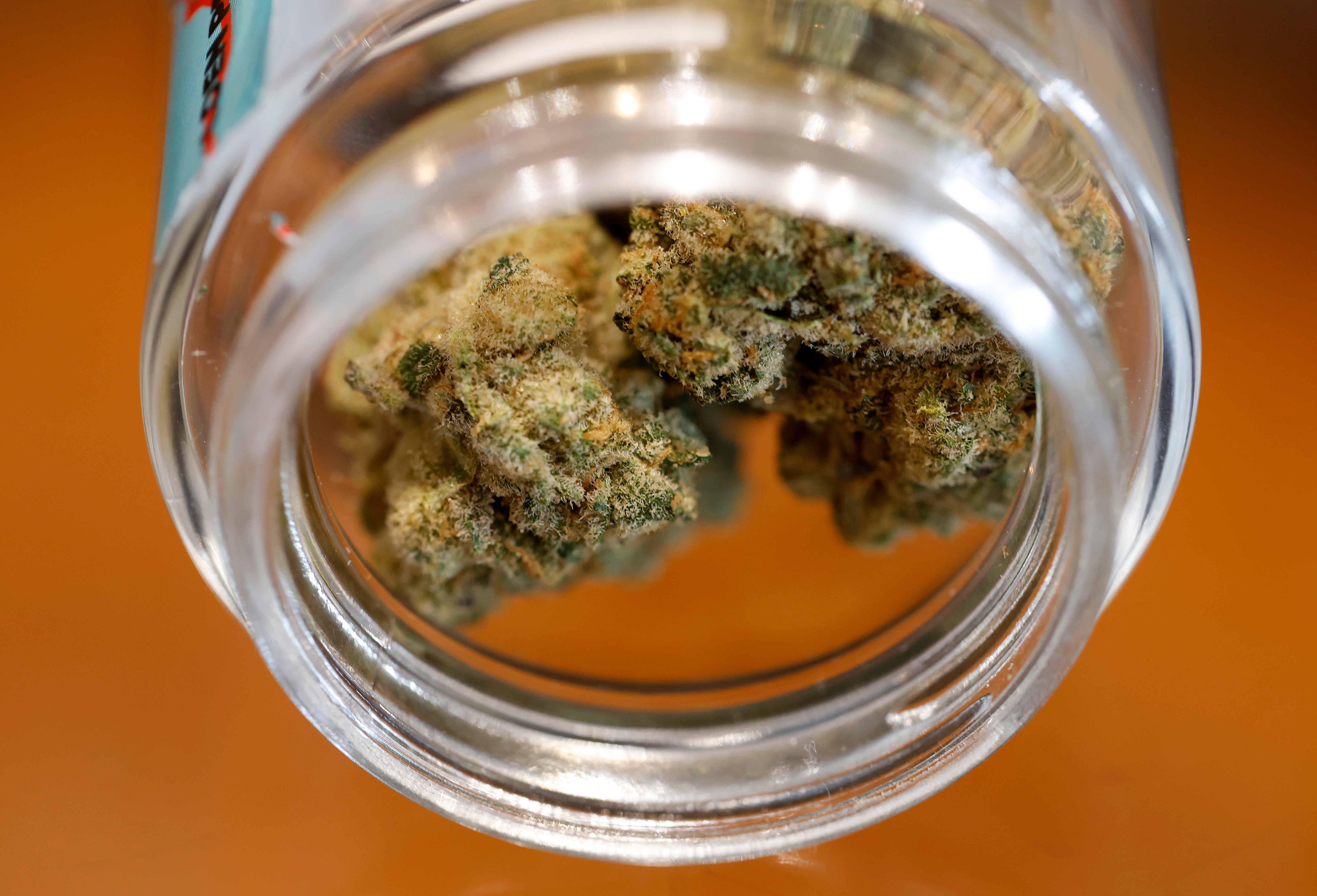
The debate over legalization and the position of the government.
It means that you will face legal penalties for the possession (supply), or cultivation of marijuana. Here is a detailed timeline for the changes in cannabis laws in the UK. Interestingly (before this law came into force), doctors could recommend cannabis medicine to their patients although the drug had been illegal for recreational use since 1928.
However, the UK Labour government maintained its position of having “no immediate plans to change cannabis laws,” with Deputy PM Angela Rayner stating this is “not the government position.” While 45% of UK residents support legalization (according to YouGov polling), the UK government has maintained it has “no immediate plans” to change cannabis laws (as noted in parliamentary research briefings). This creates situations where medical patients can legally possess cannabis that looks identical to illegal recreational cannabis, leading to enforcement challenges. Medical cannabis became legal in the UK on November 1, 2018, but the pathway to access remains challenging for most patients. Despite these harsh penalties — enforcement varies significantly across different police forces and demographics. However the company did not say that they sell the cannabis directly to pharmacies and so we have amended this line in the story to instead explain that they supply patients through authorised distributors.
However, this does come at an additional cost for the patient – which is why organizations, such as Releaf, strive to make access to medical cannabis affordable and attainable for all. Their stories gained widespread public sympathy and resulted in a dramatic change of heart from the UK government. While recreational cannabis remains illegal in the UK, there have been significant changes in recent years regarding access to medical cannabis.

Staying informed about local regulations is crucial, given that implementation can differ greatly between various regions. Oils, capsules, and specialized tinctures are types of medical cannabis products; however, they all need to meet the strict quality and safety standards set by UK health authorities. Reflecting a wider trend throughout Europe, this significant change indicates that numerous countries are reevaluating their cannabis policies.
